
How to Get Rid of Acne Naturally: Complete Guide
Acne affects millions of people and can be frustrating to manage. While genetics, hormones, and certain medical conditions play a role, many people notice significant improvements when they address diet, lifestyle, sleep, stress, and overall health.
This guide covers the most important natural approaches that may help reduce acne and support clearer skin over time.
Step 1: Remove Foods With Added Sugar, Added Fats, and High Glycemic Index Scores

One of the first places to start is your diet.
Many people consume large amounts of highly processed foods that contain added sugars, refined carbohydrates, and unhealthy fats. These foods can cause rapid spikes in blood sugar levels, which may increase insulin production and trigger hormonal changes associated with acne.
Examples of foods that commonly contribute to blood sugar spikes include:
- Candy and sweets
- Soft drinks and energy drinks
- Pastries and donuts
- White bread
- Sugary breakfast cereals
- Ice cream
- Processed snack foods
- Fast food meals
Instead, focus on foods that have a lower glycemic impact and are closer to their natural state:
- Vegetables
- Legumes
- Whole grains
- Nuts and seeds
- Lean proteins
- Whole fruits
These foods are generally digested more slowly than highly processed foods, helping to promote more stable blood sugar levels throughout the day. Stable blood sugar may support healthier insulin regulation, which is important because elevated insulin levels can influence hormones involved in oil production and acne development.
In addition to their lower glycemic impact, these foods provide essential nutrients that support overall skin health. Vegetables and fruits contain antioxidants that help protect cells from oxidative stress, while legumes, whole grains, and lean proteins provide nutrients needed for tissue repair and normal body function.
Remove Added Oils and High-Fat Processed Foods

Another dietary change that some people find helpful is reducing or eliminating added oils and heavily processed high-fat foods.
Many packaged foods, restaurant meals, fried foods, baked goods, and fast-food products contain significant amounts of refined oils. These foods are often highly processed and can increase the calorie density of meals without providing the same nutritional value as whole foods.
When preparing meals at home, consider using oil-free cooking methods whenever possible. For example:
- Sauté vegetables in water or vegetable broth instead of oil
- Use garlic, herbs, spices, or low-sodium soy sauce for flavor
- Bake, steam, roast, or air-fry foods without added oils
- Prepare salads with oil-free dressings made from ingredients such as vinegar, lemon juice, mustard, herbs, or blended vegetables
Some individuals also report that consuming large amounts of nuts, seeds, nut butters, or seed butters may worsen their acne. While these foods can be nutritious and are well tolerated by many people, others find they act as personal trigger foods. If you suspect a particular food may be contributing to breakouts, an elimination diet can help determine whether it affects your skin.
The key is not necessarily to avoid specific foods forever, but to identify which foods support your health and which ones may be contributing to inflammation or acne symptoms in your individual case.
Focus on Whole Foods First
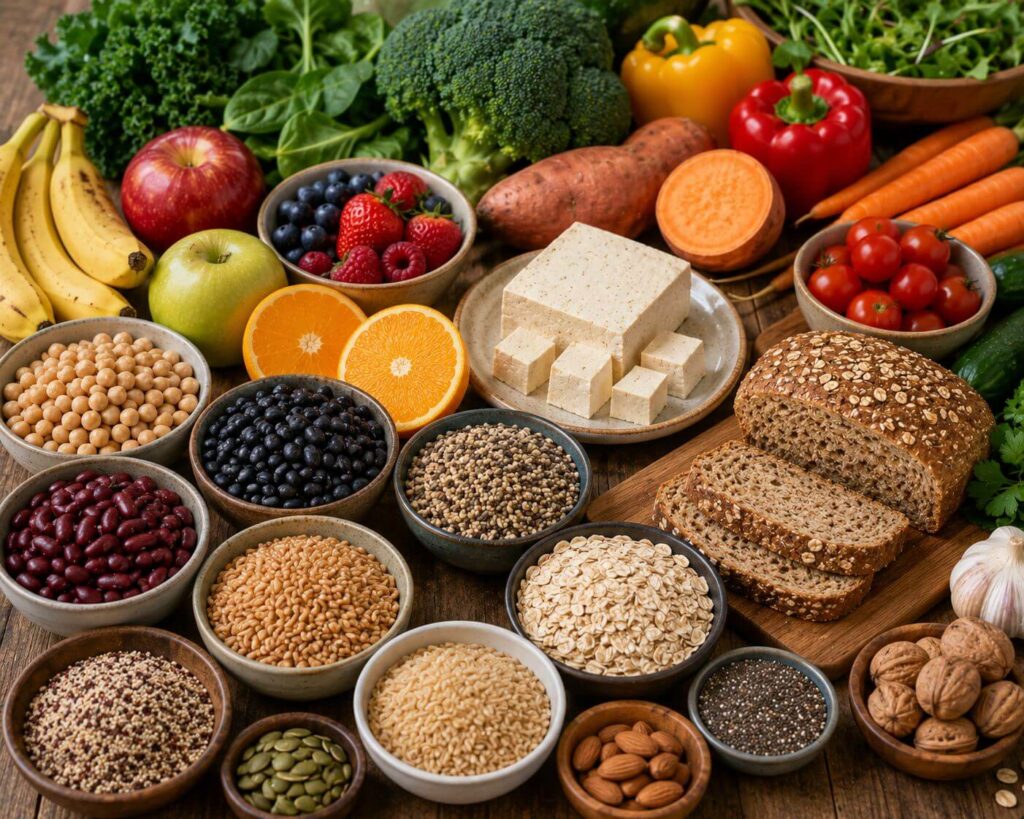
Rather than searching for a single “acne-causing” food, it is often more helpful to look at your overall dietary pattern.
A diet centered around vegetables, fruits, legumes, whole grains, and other minimally processed foods naturally reduces the intake of added sugars, refined carbohydrates, and heavily processed fats. For many people, this approach supports better overall health while creating an environment that may help reduce acne over time.
Small, sustainable dietary improvements practiced consistently are often more effective than extreme short-term changes. By focusing on whole foods and paying attention to how your body responds, you can develop a long-term eating pattern that supports both clearer skin and better health.
Step 2: Try an Elimination Diet to Find Your Personal Acne Triggers
Not everyone reacts to the same foods.
A food that causes breakouts in one person may have no effect on someone else. This is why an elimination diet can be useful.
The process is simple:
- Remove suspected trigger foods for several weeks.
- Monitor your skin carefully.
- Reintroduce foods one at a time.
- Watch for changes in acne severity.
Common foods that some individuals identify as triggers include:
- Dairy products
- Whey protein
- Meat
- Gluten
- Coffee/Caffeine
- Soy
- Fried/oily foods
- Nuts/seeds butters
- Highly processed foods
- Sugary foods
- Excessive chocolate consumption
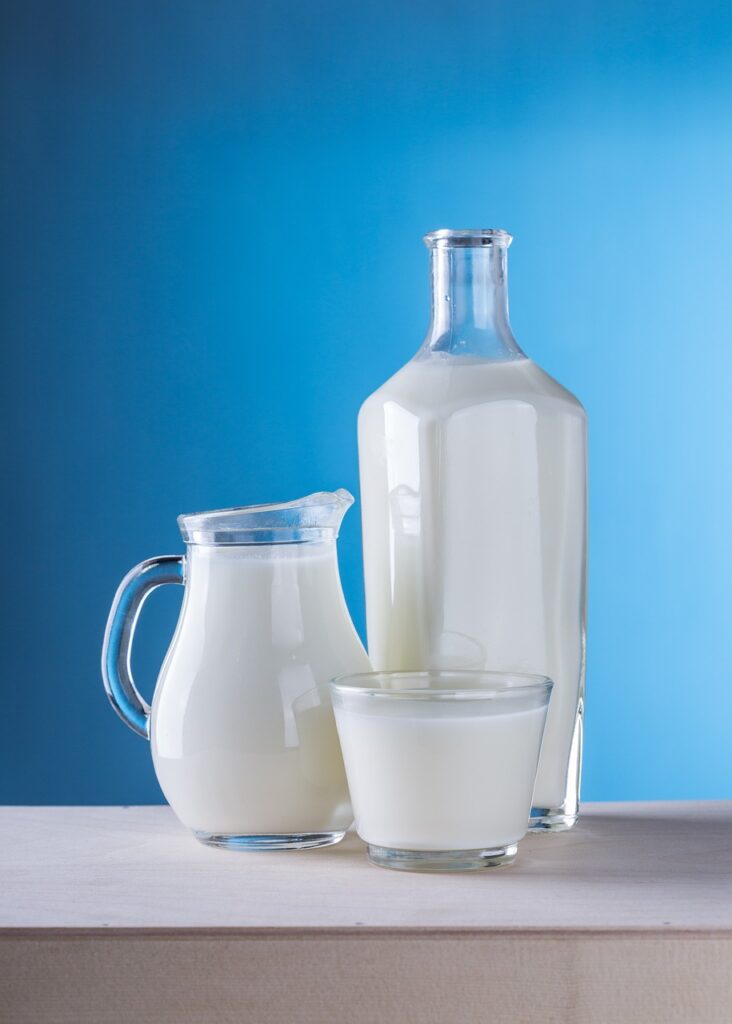
Keeping a food and symptom journal can help identify patterns that would otherwise be difficult to notice.
The goal is not to create unnecessary restrictions but to discover which foods your body tolerates best.
Step 3: Increase Vegetable Consumption
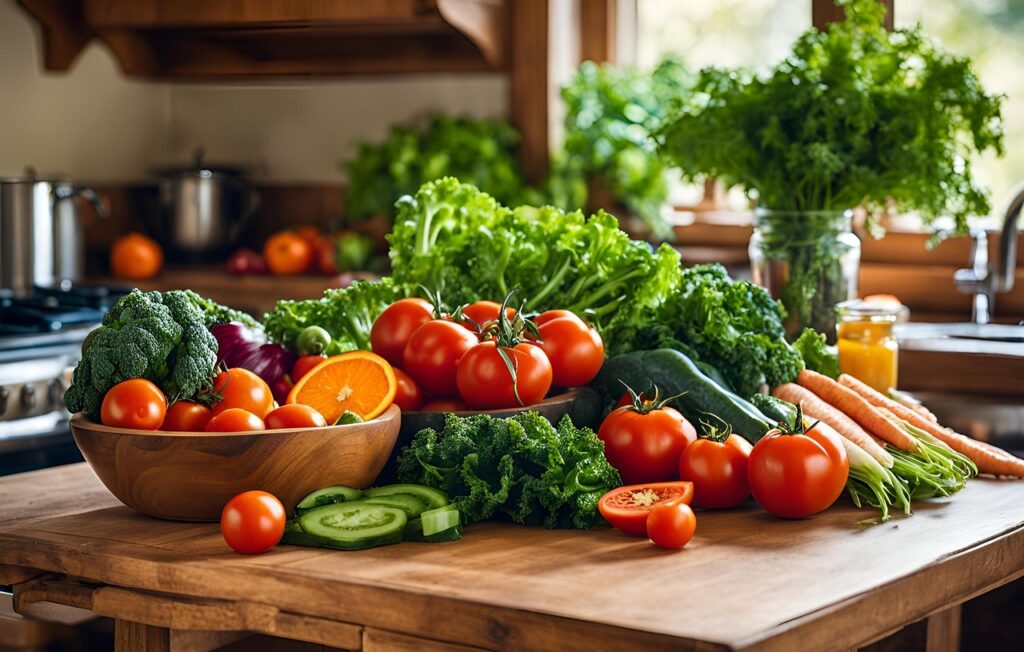
Vegetables provide vitamins, minerals, antioxidants, and fiber that support overall health.
Many people simply do not consume enough vegetables on a daily basis.
Aim to gradually increase your intake by including vegetables with most meals.
Examples include:
- Broccoli
- Spinach
- Kale
- Carrots
- Bell peppers
- Cucumber
- Cauliflower
- Brussels sprouts
- Zucchini
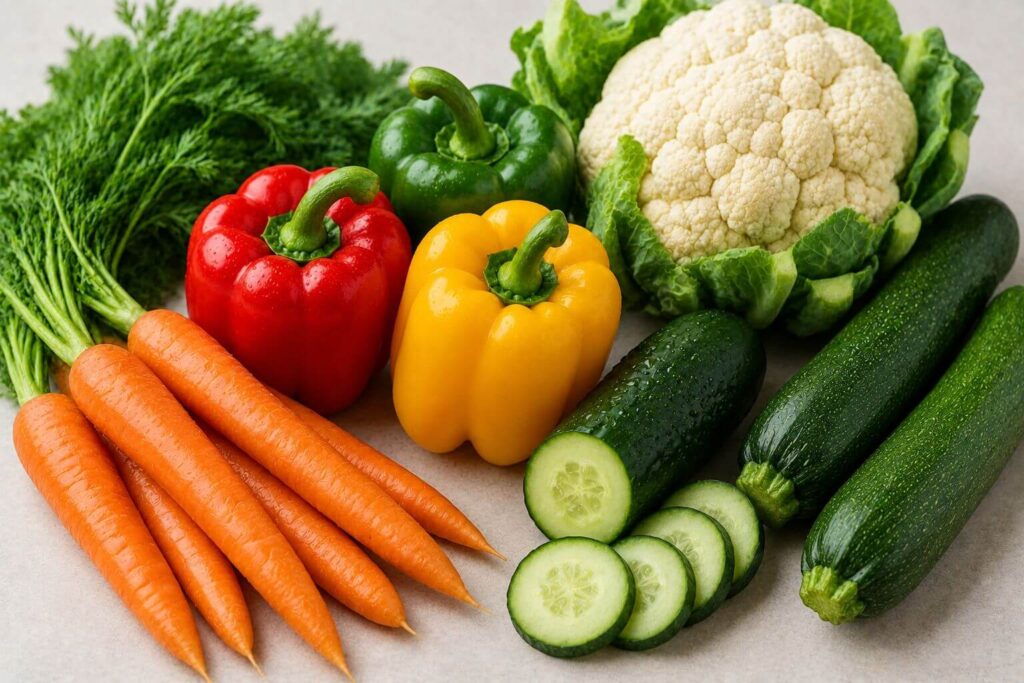
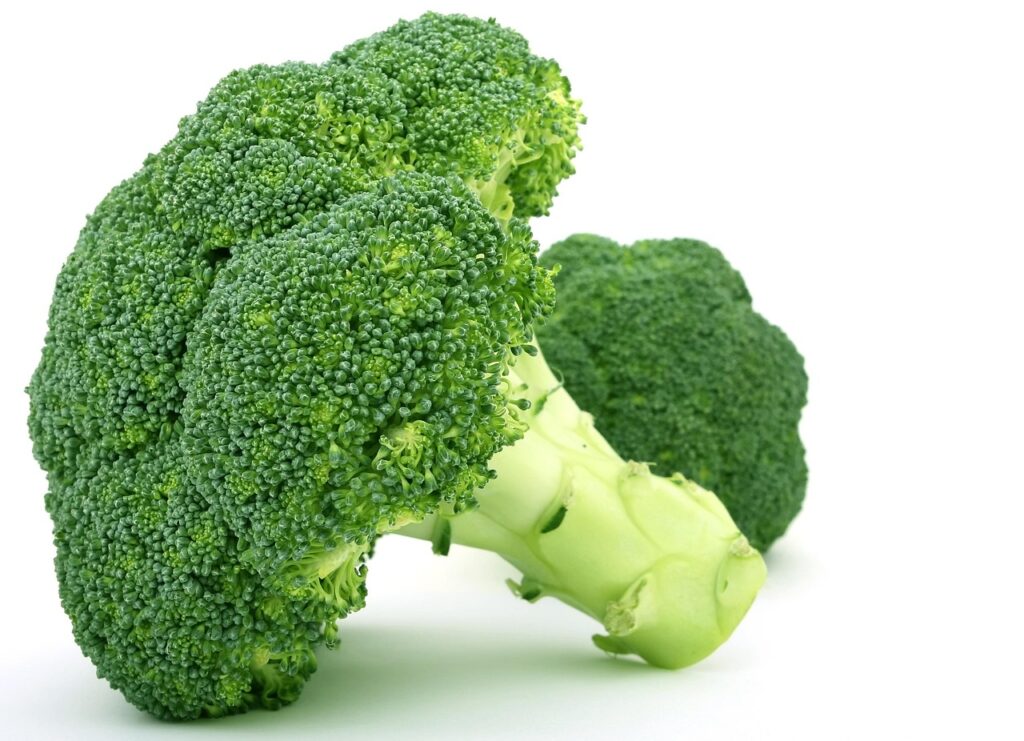
Vegetables provide nutrients involved in skin health while also helping maintain stable blood sugar levels.
If you currently eat very few vegetables, start small. Adding one serving per meal is often more sustainable than making drastic dietary changes overnight.
Step 4: Improve Gut Health
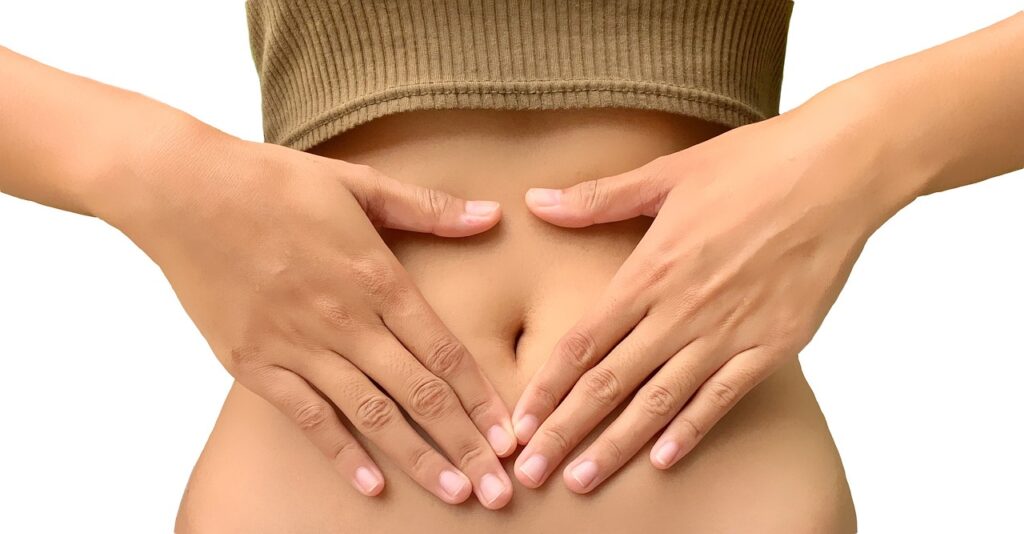
The connection between gut health and skin health has received increasing attention in recent years.
The gut contains trillions of microorganisms that influence digestion, immunity, and inflammation throughout the body.
Some researchers believe that disturbances in gut health may contribute to inflammatory conditions, including acne, in certain individuals.
Understanding Leaky Gut
The term “leaky gut” refers to increased intestinal permeability.
Although the concept is sometimes oversimplified online, maintaining a healthy digestive system is an important part of overall wellness.
Supporting gut health may include:
- Eating more fiber
- Reducing highly processed foods
- Managing stress
- Getting adequate sleep
- Consuming fermented foods
Add Fermented Foods
Fermented foods naturally contain beneficial microorganisms that may support a healthy gut environment.
Examples include:
- Sauerkraut
- Pickles
- Kimchi
- Water kefir
- Plant based yogurt with live cultures
- Miso
- Tempeh

Introduce these foods gradually and monitor how your body responds.
Step 5: Drink Enough Water
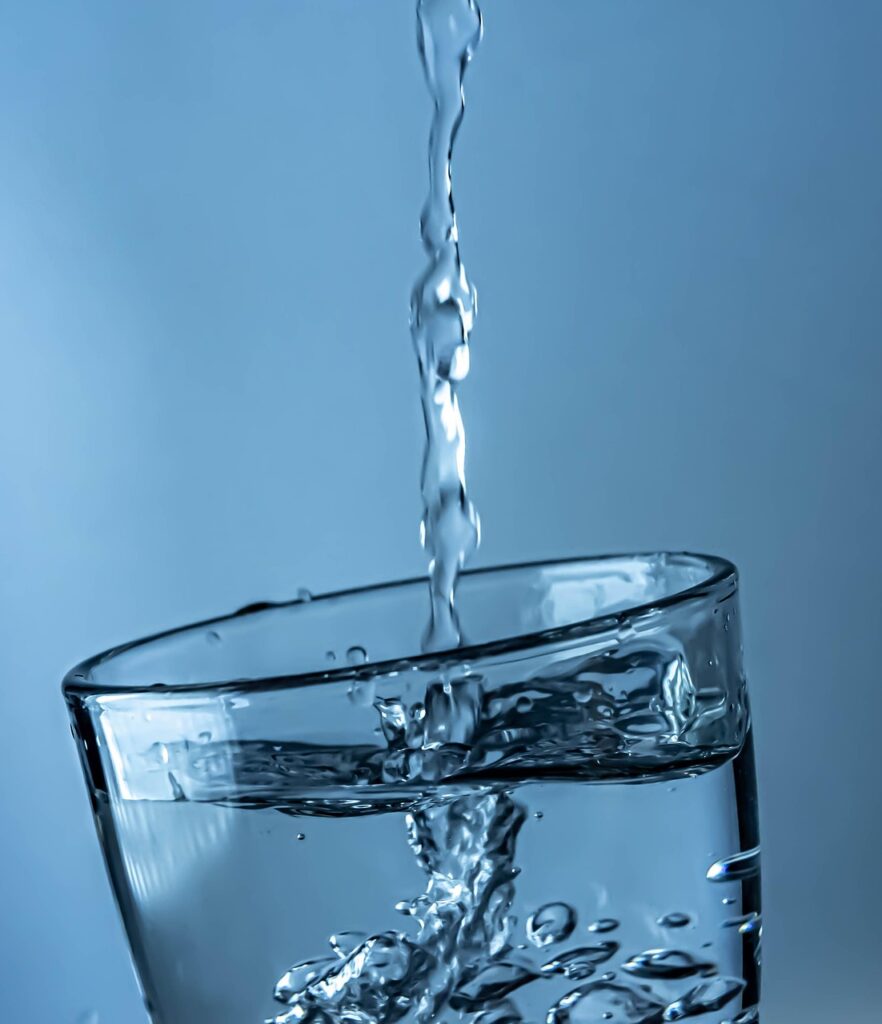
Water plays a role in virtually every function of the body.
While drinking more water alone is unlikely to completely eliminate acne, proper hydration supports:
- Skin function
- Circulation
- Nutrient transport
- Overall health
A simple habit is to keep a water bottle nearby throughout the day.
Many people mistake thirst for hunger and unintentionally replace water with sugary beverages that may contribute to skin issues.
Focus on making water your primary drink whenever possible.
Step 6: Manage Stress

Stress is one of the most commonly overlooked contributors to acne.
During periods of chronic stress, the body produces hormones that may increase oil production and inflammation.
Many people notice their skin worsens during:
- Exams
- Work deadlines
- Financial stress
- Relationship difficulties
- Major life changes
Healthy stress-management strategies include:
- Meditation
- Deep breathing exercises
- Walking outdoors
- Journaling
- Yoga
- Spending time with friends and family
Reducing stress may not eliminate acne entirely, but it can be an important part of a long-term strategy.
Step 7: Prioritize Sleep

Sleep is when the body performs much of its repair and recovery work.
Poor sleep can affect:
- Hormone regulation
- Inflammation
- Stress levels
- Immune function
To improve sleep quality:
- Maintain a consistent sleep schedule
- Limit screen exposure before bed
- Keep the bedroom cool and dark
- Avoid excessive caffeine late in the day
Most adults benefit from approximately seven to nine hours of quality sleep each night.
Step 8: Exercise Regularly

Regular physical activity supports overall health and may indirectly benefit skin health.
Potential benefits include:
- Improved circulation
- Better stress management
- Enhanced insulin sensitivity
- Improved sleep quality
Good options include:
- Walking
- Running
- Cycling
- Swimming
- Strength training
- Team sports
After exercising, shower promptly and change out of sweaty clothing to reduce skin irritation and pore blockage.
Consistency is more important than intensity.
Step 9: Pay Attention to Hair Care

Hair products can sometimes contribute to acne, especially around the forehead, temples, and hairline.
Certain products contain oils, waxes, and ingredients that may clog pores.
Consider the following:
- Wash hair regularly if it becomes oily
- Keep long hair away from the face when possible
- Avoid excessively greasy styling products
- Clean pillowcases frequently
- Rinse thoroughly after using hair products
If breakouts are concentrated around the hairline, your hair-care routine may be worth examining.
Step 10: Avoid Smoking and Limit Alcohol

Smoking negatively affects overall health and may contribute to inflammation and impaired skin healing.
Quitting smoking offers benefits that extend far beyond skin appearance.
Alcohol may also influence skin health indirectly through:
- Increased inflammation
- Poor sleep quality
- Dehydration
- Poor dietary choices
Reducing or eliminating smoking and limiting alcohol consumption can support both skin health and overall well-being.
Conclusion
There is no single natural cure for acne because acne is influenced by many factors, including genetics, hormones, lifestyle, and environmental triggers.
However, many people experience meaningful improvements by focusing on the fundamentals:
- Removing highly processed foods and excess sugar
- Identifying personal trigger foods through an elimination diet
- Eating more vegetables
- Supporting gut health
- Staying hydrated
- Managing stress
- Getting quality sleep
- Exercising regularly
- Using acne-friendly hair products
- Avoiding smoking and limiting alcohol
The most effective approach is usually not a quick fix but a collection of healthy habits practiced consistently over time. Small changes made daily often produce better long-term results than extreme short-term solutions.
Clearer skin is often a reflection of improvements in overall health, and every positive habit can move you one step closer to that goal.