
Your skin doesn’t lie—it’s a mirror of what’s happening inside your body. And if you’ve made it this far—cutting out sugar, eliminating dairy and meat, and testing your personal triggers—you’ve already done the heavy lifting. Now it’s time to address the root of many acne problems: your gut. A healthy gut doesn’t just help you digest food—it regulates inflammation, balances hormones, and controls your immune response. When your gut is damaged or imbalanced, your skin pays the price. Growing scientific evidence suggests that gut health and skin health are closely connected. Researchers believe that maintaining a healthy gut may help support clearer skin and play a role in reducing acne for some individuals. In this step, we’ll repair your gut lining, crowd out bad bacteria, and feed the good ones—so your skin can finally calm down and heal.
Leaky Gut Syndrome — Why Your Skin Reacts When Your Gut Is Compromised
“Leaky gut” isn’t just a buzzword—it’s a real condition where the lining of your intestines becomes damaged, allowing undigested food particles, toxins, and bacteria to leak into your bloodstream. Your immune system sees these invaders and responds with inflammation—which often shows up on your skin as acne, redness, or even rosacea. This is especially common after years of eating processed foods, sugar, or antibiotics. The good news? You can heal it. By removing inflammatory foods (which you’ve already started) and adding gut-healing nutrients, you can repair your intestinal barrier in as little as 4–6 weeks. Think of it as patching the holes in your body’s defense system—so your skin stops reacting to what’s leaking through.
Eat 1–2 Servings Daily of Probiotic-Rich Foods
Your digestive system is home to trillions of microorganisms, many of which play an important role in digestion, immune function, and overall health. Among these are probiotics—live beneficial bacteria that help maintain a healthy balance of microbes in the gut. Growing research suggests that a healthy gut microbiome may also influence skin health through what is often called the gut-skin axis.
Aim to include 1–2 servings of probiotic-rich foods each day as part of a healthy diet. While there is no clear evidence that moderate intake is harmful, some people may experience gas or mild digestive discomfort if they increase their intake too quickly, so start with small amounts (like ¼ cup of sauerkraut or ½ cup of coconut yogurt) and increase gradually to avoid bloating or gas.
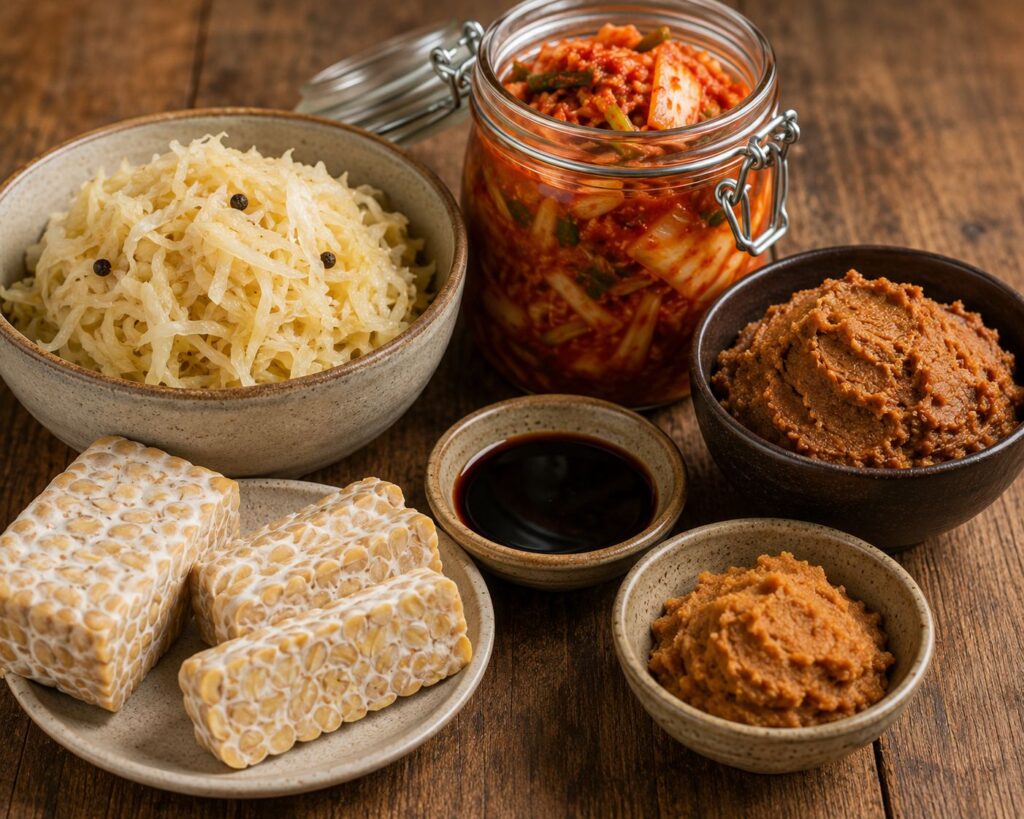
Some of the best natural sources of probiotics include:
- Sauerkraut (unpasteurized)
- Kimchi
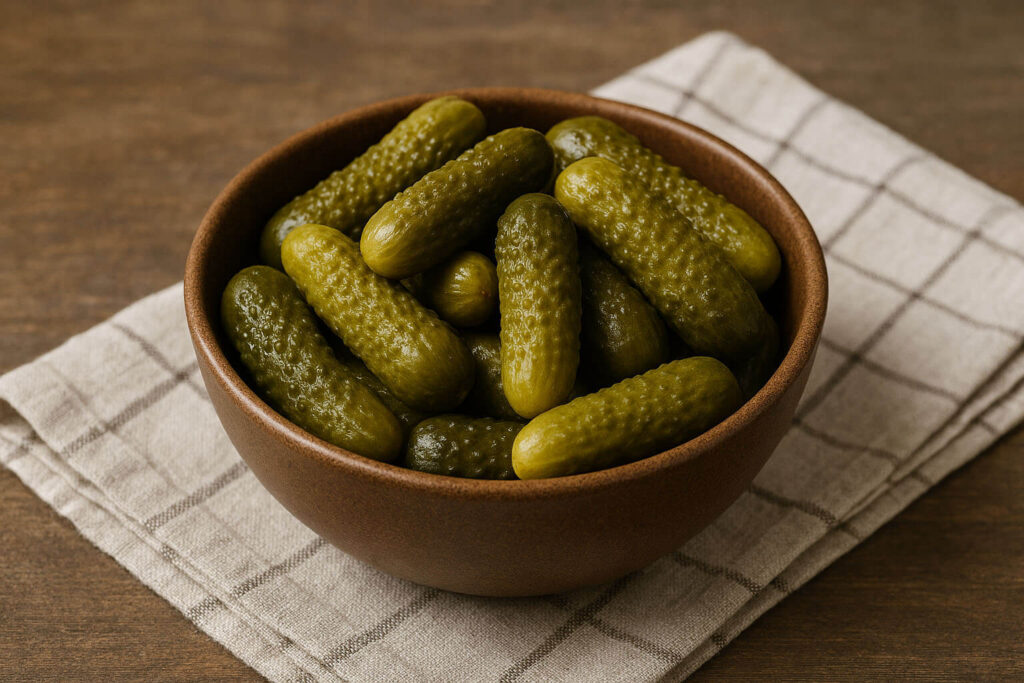
- Naturally fermented pickles (not vinegar pickles)
- Miso
- Tempeh
- Water kefir
Foods such as yogurt, kefir, and kombucha are also known to contain probiotics. However, they may not be the best choice for everyone. Many flavored yogurts and kombucha drinks contain significant amounts of added sugar, while yogurt and kefir are dairy products, which some people identify as personal acne triggers. Whenever possible, choose plain, unsweetened, dairy-free varieties or focus on fermented vegetables and other low-sugar probiotic foods.
If you’re new to fermented foods, don’t be discouraged if you don’t enjoy the taste at first. Many people need time for their taste buds to adjust. Start with a small serving alongside a meal rather than eating a large portion by itself. For example, add a spoonful of sauerkraut or kimchi to a rice bowl, potato dish, noodle stir-fry, salad, or sandwich. Over time, many people find they begin to appreciate the tangy flavor and even start craving fermented foods.
One important tip is to avoid cooking probiotic foods whenever possible. High temperatures can destroy many of the live beneficial bacteria that make these foods valuable. Instead, add sauerkraut, kimchi, or other fermented vegetables after cooking, or enjoy them as a cold side dish.
As with many healthy habits, consistency is more important than quantity. Eating one or two small servings of probiotic-rich foods each day may be a simple way to support a healthy gut microbiome as part of an overall diet focused on whole, minimally processed foods.
Your digestive system is home to trillions of microorganisms, many of which play an important role in digestion, immune function, and overall health.
Gut Dysbiosis: When Harmful Bacteria Begin to Take Over
Your gut microbiome isn’t fixed—it’s constantly adapting to the choices you make every day. Every meal either helps nourish beneficial bacteria or creates conditions that allow less beneficial microbes to thrive. Over time, a diet high in added sugar and ultra-processed foods, combined with chronic stress, poor sleep, smoking, and excessive alcohol consumption, can gradually shift your microbiome in the wrong direction.
This imbalance, known as gut dysbiosis, occurs when beneficial bacteria lose their dominance and potentially harmful bacteria become more prevalent. A less diverse microbiome has been associated with digestive disorders, immune dysfunction, and chronic inflammation. Scientists are now exploring how these changes in the gut may also affect the skin, providing further evidence for the connection between gut health and acne.
Some of the biggest contributors to dysbiosis include:
- Diets high in added sugar and ultra-processed foods
- Too little fiber from fruits, vegetables, legumes, and whole grains
- Frequent or unnecessary antibiotic use
- Chronic stress
- Poor sleep
- Smoking
- Excessive alcohol consumption
The effects of certain lifestyle habits on the gut microbiome can be dramatic. Studies have found that people with alcohol use disorder often have a significantly higher prevalence of gut dysbiosis, with reduced microbial diversity and an overgrowth of less beneficial bacteria. Excessive alcohol intake can also damage the intestinal barrier and promote inflammation, creating an environment that is less favorable for a healthy microbiome.
Smoking also alters the gut microbiome. Research has shown that when people quit smoking, their gut bacteria undergo profound changes, with microbial diversity increasing over time. This is important because a diverse microbiome is generally considered a hallmark of a healthy gut and has been associated with greater resilience and overall health.
The encouraging news is that your gut microbiome is remarkably adaptable. Every nutritious meal, every serving of vegetables, every fermented food, every high-fiber snack, every good night’s sleep, and every healthy lifestyle choice helps create an environment where beneficial bacteria can flourish. Small decisions made consistently can gradually reshape your microbiome—and a healthier gut may help support healthier skin from the inside out.
Prebiotic Fibers — Fuel for Your Good Bacteria
While probiotics introduce beneficial bacteria into your digestive system, prebiotics provide the food those bacteria need to survive and thrive. Prebiotics are a type of dietary fiber that passes through the digestive tract largely undigested until it reaches the colon, where it becomes fuel for your beneficial gut microbes.
Without enough prebiotic fiber, even a diet rich in probiotic foods may not provide the full benefits for your gut microbiome. Think of probiotics as the “good bacteria” and prebiotics as the nutrients that keep them healthy and active. Together, they help support a balanced gut environment, healthy digestion, and a strong immune system.
The easiest way to increase your prebiotic intake is to eat a wide variety of fruits, vegetables, legumes, and whole grains every day, so if you are following the previous step of increasing your vegetable intake you are going to be ingesting a good amount of prebiotic fiber.
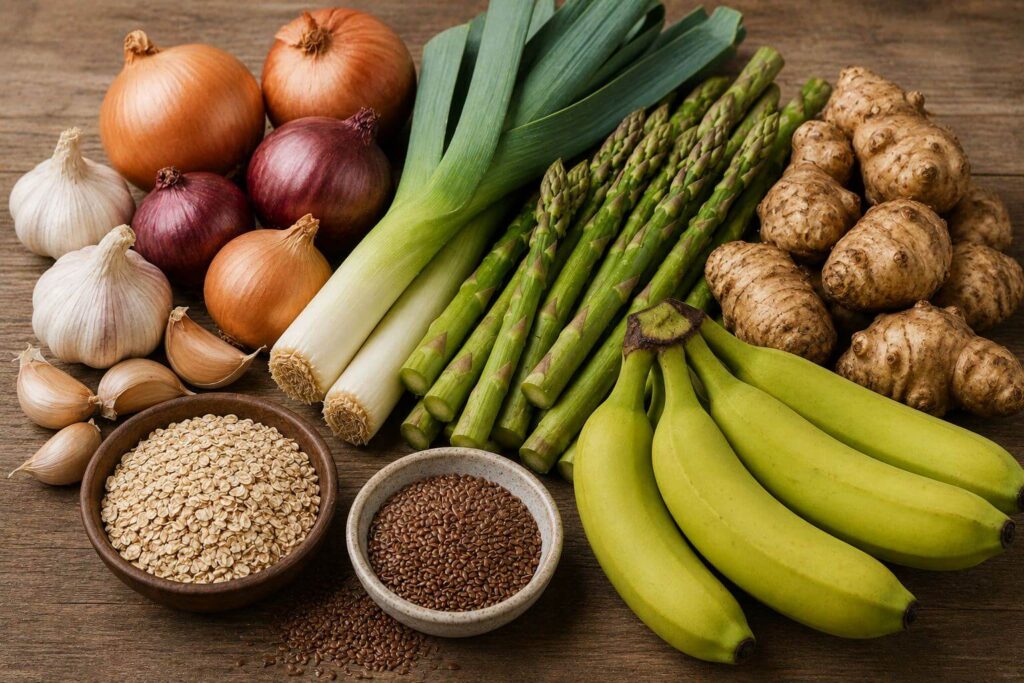
Whole plant foods especially rich in prebiotic fiber include:
- Garlic
- Onions
- Leeks
- Asparagus
- Jerusalem artichokes
- Bananas (slightly green)
- Oats
- Flaxseeds
As you increase your fiber intake, do so gradually and drink plenty of water throughout the day. A sudden increase in fiber can cause temporary bloating or gas while your gut bacteria adapt. Over time, however, many people find that their digestion becomes more comfortable as their microbiome adjusts.
Supporting your gut microbiome isn’t about finding one “superfood.” It’s the combination of probiotic-rich foods, prebiotic fibers, and a diverse, whole-food diet that helps beneficial bacteria flourish. By nourishing your gut every day, you’re also supporting the overall health of your body—including your skin.
Summary: Heal Your Gut, Heal Your Skin
Your gut is the foundation of your skin’s health. By repairing leaky gut, feeding good bacteria with probiotics and prebiotics, and starving bad bacteria with a clean diet, you’re not just treating acne—you’re healing the root cause. This step takes time—4 to 6 weeks to see real changes—but the results are lasting. Probiotic foods may not always be the tastiest, but just like vegetables, we’re eating them to improve our acne—so find the ones you enjoy (or at least tolerate) and build them into your daily routine. It takes time to shift your gut’s microbiome, so while we’re starting this step now, we’ll keep it going as we move forward—because clear skin is a long-term commitment, not a quick fix.





No Comment! Be the first one.