
How many times have you heard someone tell you to drink more water to clear your acne? Probably too many. The problem is, people say it like it’s the only thing you need—as if water alone can undo years of sugar, dairy, and processed foods. When it doesn’t work (because of course it doesn’t, without the other steps), water gets blamed. People dismiss it as useless advice, and the idea of hydration gets a bad reputation. That’s exactly why this step comes now, not at the beginning. By this point, you’ve already removed acne triggers, healed your gut, and flooded your body with nutrient-dense vegetables. Your skin is already starting to improve. Now, water becomes the final piece that amplifies everything—locking in hydration, flushing toxins, and allowing your skin to truly transform. Water works because you’ve done the work first.
What Water Actually Does for Your Skin and Acne
Before we talk about how much to drink, let’s talk about why water matters so deeply for acne-prone skin. Your skin is your body’s largest organ, and like every other organ, it depends on water to function properly. When you’re dehydrated, your skin compensates by producing more sebum—the oily substance that clogs pores and leads to breakouts. In other words, not drinking enough water can directly increase oil production and worsen acne. Dehydration also slows down your body’s ability to flush out toxins through the kidneys and liver. When those detox pathways are sluggish, your skin becomes the backup—toxins exit through your pores instead, contributing to inflammation and breakouts.
Water also plays a critical role in cell regeneration. Your skin constantly sheds old cells and generates new ones—a process that requires adequate hydration to function efficiently. When you’re well hydrated, this turnover happens smoothly, keeping your pores clear and your complexion fresh. When you’re dehydrated, dead skin cells accumulate, clogging pores and creating the perfect environment for acne-causing bacteria to thrive. Beyond acne, proper hydration plumps your skin from within, reducing the appearance of fine lines, improving elasticity, and giving your complexion a natural glow that no skincare product can fully replicate.
Drink Water Every Day — Make It Your Non-Negotiable Habit
There’s no official amount recommended by US guidelines, but here’s a simple rule: drink enough water that your urine is clear or pale yellow—not dark, cloudy, or foul-smelling. A good starting goal is 2 liters (roughly 8 glasses) per day, though individual needs vary based on activity level, climate, and body size. If you exercise regularly or live in a hot climate, aim for 2.5–3 liters. More importantly, replace all other liquids with water. No soda, juice, coffee, or sugary drinks—just water. Every time you reach for a flavored drink, ask yourself: is this helping or hurting my skin?
Here’s the honest truth: many people don’t drink enough water because they forget, don’t enjoy the taste, or find the frequent bathroom trips inconvenient. These are real obstacles—but they’re small ones compared to the results. Proper hydration improves mental clarity, boosts energy levels, accelerates acne healing, and enhances athletic performance. Your skin will look plumper and more radiant. You’ll age more slowly. Your entire body will function better. This isn’t just about acne—it’s about becoming the healthiest version of yourself. A few extra bathroom trips a day is a very small price to pay for clear skin and a sharper mind.
Replace all other liquids you normally drink with water.
How Dehydration Silently Worsens Acne
Most people don’t realize they’re chronically dehydrated. Thirst is actually a late signal—by the time you feel thirsty, your body is already mildly dehydrated. This means millions of people walk around in a constant state of low-level dehydration without even knowing it, and their skin suffers silently as a result. Signs of chronic dehydration include dull, tired-looking skin, increased oiliness, more frequent breakouts, dark under-eye circles, and a rough or uneven skin texture. Sound familiar?
Dehydration also impairs your gut—which you’ve been working so hard to heal in Step 4. Your intestinal lining needs water to maintain its protective barrier. Without enough hydration, the gut becomes more permeable, potentially worsening leaky gut syndrome and the inflammation that comes with it. Every step in this program works better when you’re properly hydrated. Think of water as the lubricant that keeps the entire system running smoothly.
What to Drink — and What to Avoid
Not all liquids are created equal. While water is the gold standard, here’s a quick breakdown of what helps and what hurts:
Drink more of:
- Plain water — still or sparkling (unsweetened), both count toward your daily intake
- Herbal teas — chamomile, peppermint, and green tea (low caffeine) are anti-inflammatory and hydrating
- Warm water with lemon — supports liver detox and digestion, great as a morning ritual
- Coconut water — naturally hydrating with electrolytes, but choose unsweetened varieties and limit to 1 serving per day due to natural sugar content
Avoid or eliminate:
- Soda and energy drinks — loaded with sugar and phosphoric acid, both of which worsen acne and deplete minerals
- Fruit juices — even 100% natural juices spike blood sugar rapidly and lack the fiber of whole fruit
- Coffee and caffeine — as covered in Step 2, caffeine spikes cortisol and disrupts sleep and gut health
- Alcohol — dehydrates the body, disrupts liver function, and increases systemic inflammation
- Flavored waters with sweeteners — artificial sweeteners can disrupt gut bacteria and still trigger cravings
If plain water feels boring, infuse it naturally. Add slices of cucumber, lemon, lime, mint, or fresh ginger to a jug and let it sit overnight. You’ll have flavorful, skin-friendly water without any added sugar or artificial ingredients.
The Quality of Your Water Matters Too
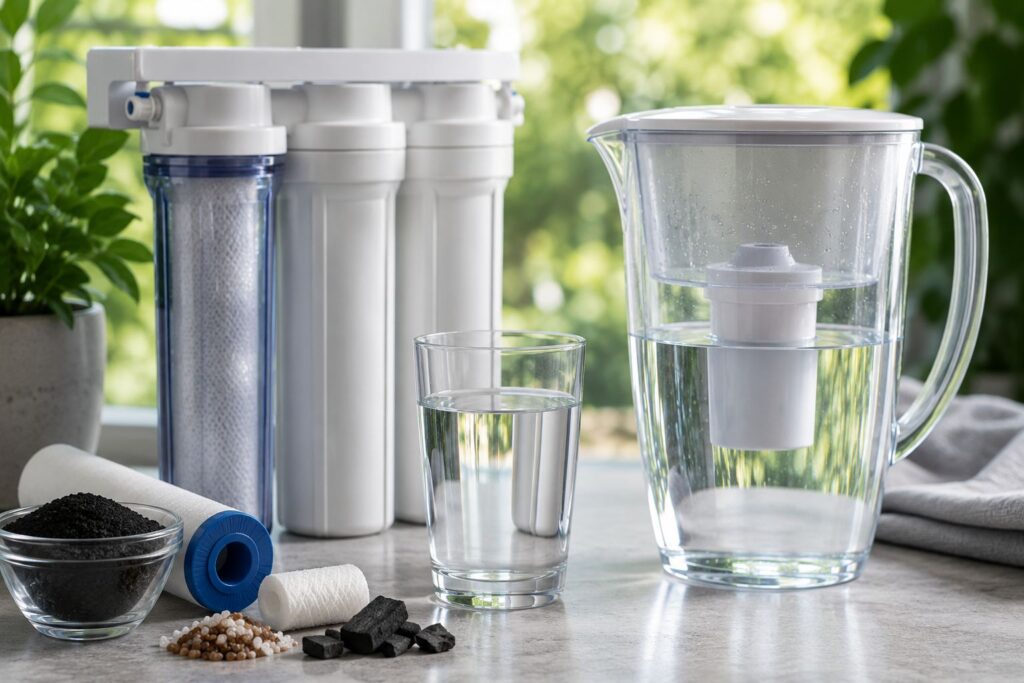
It’s not just about how much you drink—it’s also about what’s in your water. Tap water in many cities contains chlorine, fluoride, heavy metals, and trace amounts of pharmaceuticals. While these are generally considered safe at low levels, chronic exposure to these compounds can subtly affect your gut microbiome, hormone balance, and skin health. If you’re serious about clearing your acne, consider upgrading your water quality:
- Filtered water — a simple carbon filter (like a Brita) removes chlorine and improves taste
- Reverse osmosis filter — removes a wider range of contaminants including heavy metals and fluoride
- Glass or stainless steel bottles — avoid plastic bottles, which can leach BPA and other hormone-disrupting chemicals into your water, especially when exposed to heat
This doesn’t need to be expensive. Even a basic countertop filter is a significant upgrade from unfiltered tap water. Your gut and your skin will notice the difference.
Track Your Water Intake
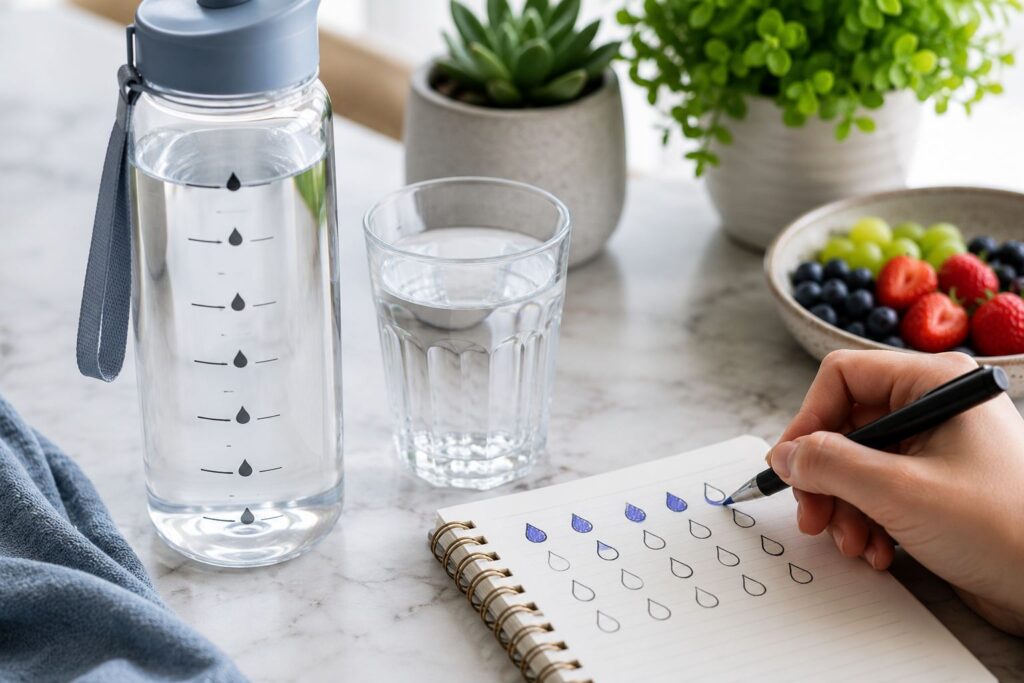
The biggest reason people don’t drink enough water is simple: they forget. Life gets busy, and unless water is a conscious habit, it’s easy to go hours without a single sip. The solution is just as simple: track it. Use a water bottle with time markers so you know exactly where you should be throughout the day. Set phone reminders every 1–2 hours. Use a free app like WaterMinder or MyFitnessPal to log each glass. Or keep it old school—make a tally in your journal every time you finish a glass.
The act of tracking creates awareness, and awareness creates habit. Within a week of tracking, drinking water will start to feel automatic. Within a month, you’ll wonder how you ever functioned on so little. Many people report that simply increasing their water intake—combined with the dietary changes from the previous steps—produces a noticeable improvement in their skin’s clarity, texture, and overall appearance within 2–3 weeks.
Making Water a Lifestyle, Not a Chore
The goal of this step isn’t just to drink 2 liters today—it’s to make hydration a permanent part of your lifestyle. Here are a few simple strategies to make it effortless:
- Start every morning with a large glass of water before coffee, food, or your phone. It rehydrates your body after sleep and kickstarts digestion.
- Keep a water bottle with you at all times — on your desk, in your bag, in your car. Visibility drives consumption.
- Drink a glass before every meal — it supports digestion, reduces overeating, and helps you hit your daily target without thinking about it.
- Drink before, during, and after exercise — physical activity increases your hydration needs significantly.
- End your day with a glass of water — it supports overnight detox and skin repair while you sleep.
Water is the simplest, cheapest, and most underrated tool in your acne-clearing arsenal. It costs nothing, requires no prescription, and has zero side effects. By this point in the program, your body is primed and ready to use every drop efficiently. Don’t underestimate it.
You’ve now completed five critical steps. Your acne should be noticeably improving. Your energy is up. Your skin looks clearer and feels healthier. You’re ready for Step 6: Sleep & Recovery — where your skin does its deepest healing work of all.






No Comment! Be the first one.