

When it comes to eliminating acne, most people focus solely on topical treatments and skincare routines. However, one of the most powerful ways to eliminate acne is by changing what you eat.
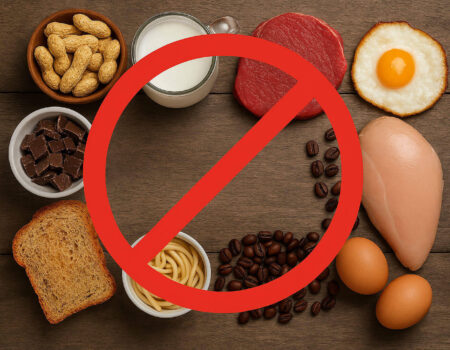
Many people don’t notice their diet because they don’t like to cook—they eat just to stop being hungry and then go back to their lives. Unfortunately, a lot of the foods most people rely on are quietly worsening their acne, and they never make the connection. We must lay some groundwork before we can move forward, so in this first step, we must reduce or remove a few types of foods that have been scientifically shown to increase the prevalence of acne in everyone. Remove these foods from your diet as much as possible—preferably entirely—because the better you are with this step, the better the results will be from the other steps. This isn’t easy—we all have habits, social events, and food traditions—but you simply need to be firm in your decisions. Your skin’s clarity starts with your choices.
High Sugar Foods
Cut out added sugar—completely, if you can.
As a starting goal, aim for under 25 grams of sugar per day from food—and the closer you get to 0 grams, the better your skin will respond. Why? Because sugar affects far more than body weight. Frequent consumption of sugary foods and beverages can contribute to blood sugar spikes, increased insulin levels, hormonal changes, and inflammation—all factors that have been linked to acne development.
A 2018 study revealed that women who drank sugary beverages had 56% higher inflammation markers in their blood. Chronic inflammation is believed to play an important role in acne, making dietary habits an important consideration for those seeking clearer skin.
For this reason, reducing or eliminating foods and drinks high in added sugar may help create a healthier internal environment that supports calmer, clearer skin over time. Every step you take to reduce added sugar is a step toward lowering inflammation and improving your overall health.
Take a look at the nutritional labels on the back of packaged foods. If you see sugar, high fructose corn syrup, honey, maple syrup, agave nectar, or any ingredient ending in “-ose” (like dextrose, fructose, or sucrose), avoid it. These are all forms of added sugar—even “natural” sweeteners like honey and maple syrup still spike insulin and trigger sebum production. Fruits are an exception to this rule. The fructose in whole fruits comes packaged with fiber, water, and antioxidants, which slow digestion and reduce the glycemic impact. So don’t avoid fruits—just avoid processed foods that add sugar to them (like fruit-flavored yogurts or fruit snacks).
For those who enjoy sweet flavors, replacing sugar with low- or no-calorie alternatives may make the transition easier. Natural sweeteners such as stevia and monk fruit extract have little to no effect on blood sugar levels and are commonly used as substitutes for sugar in beverages, desserts, and homemade recipes. Some people also use sugar alcohols such as erythritol, although these may cause digestive discomfort in sensitive individuals. While more research is needed on the long-term effects of various sweeteners, using them in moderation may help reduce overall sugar intake and make it easier to maintain healthier eating habits. As with any dietary change, pay attention to how your body responds, since individual tolerance can vary.
Whenever possible, it is best to gradually retrain your taste buds to enjoy foods with less sweetness rather than simply replacing sugar with large amounts of alternative sweeteners. This approach may help support long-term dietary habits and overall health.
Avoid anything that has added sugar as much as possible.

High Oil/Fat Foods
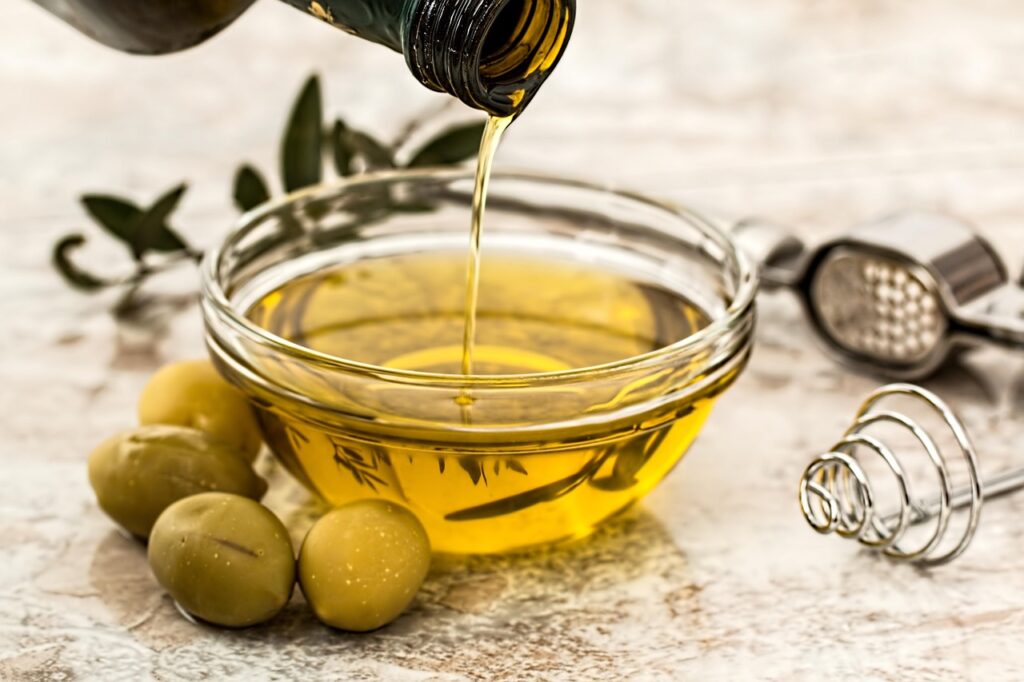
To eliminate acne effectively, you must avoid using oils and fats when cooking. This means steering clear of fried foods, buttered dishes, creamy sauces, and anything cooked in added fats. While dietary fats are essential, the type and source matter greatly. The 2015-2020 Dietary Guidelines for Americans recommend that 20–35% of your daily calories come from fats—aim for the lower end of that range to support acne elimination. Avoid processed fats and trans fats found in fried foods, fast food, and packaged snacks. These foods not only contribute to inflammation but also often contain added sugars, creating a double threat to your skin.
Instead, focus on natural sources of healthy fats: nuts, seeds, avocados, and plant-based oils like flaxseed or chia seeds. These provide essential omega-3 fatty acids that support skin health and reduce inflammation. However, even with natural fats, moderation is key. For example, a handful of almonds or a quarter of an avocado is sufficient. Avoid overeating fats, even healthy ones, as excess calories can still lead to hormonal imbalances that worsen acne. When you eliminate acne by avoiding cooking fats and focusing on whole food sources, you create a balanced environment for clear skin.
Stop using fats when cooking such as butter or vegetable oil and avoid foods that have added fats.
High Calories
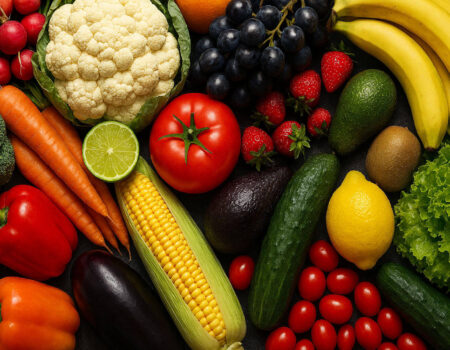
Eating more calories than you need doesn’t just lead to weight gain—it can also trigger acne. When you consistently overeat, your body experiences metabolic stress, which increases systemic inflammation and disrupts hormone balance. Both of these factors directly contribute to breakouts. To eliminate acne, you don’t need to starve yourself—just eat mindfully. Calculate your daily caloric needs based on your age, activity level, and goals. Most adults need between 1,800–2,500 calories per day, but individual needs vary. Focus on nutrient-dense, high-fiber foods that keep you full without excess calories: vegetables, legumes, whole grains, and plant-based proteins like lentils, chickpeas, and tofu. When you eliminate acne by eating at maintenance or a slight deficit, you give your body the energy it needs to heal—not store.
High Glycemic Foods (Extra)
Beyond added sugar, high glycemic index (GI) foods are another major acne trigger. These are foods that cause rapid spikes in blood sugar, even if they don’t taste sweet. White bread, white rice, potatoes, instant oatmeal, and most breakfast cereals all have high GI scores. When you eat them, your body releases insulin to manage the glucose surge—this increases sebum production and androgen activity, both of which worsen acne. To eliminate acne, replace high GI foods with low GI alternatives: swap white bread for whole grain, white rice for brown or wild rice, and instant oats for steel-cut oats. Add more non-starchy vegetables, legumes, and plant-based proteins to your meals. These choices stabilize blood sugar, reduce inflammation, and support long-term acne elimination.
Some Extra Tips
To make this step stick and truly eliminate acne, start small. Pick one category to tackle first—maybe sugar or fried foods—and master it before moving on. Meal prep on weekends to avoid temptation during busy weekdays. Keep healthy snacks like nuts, carrots, or hummus on hand. Drink plenty of water—it helps flush toxins and reduces cravings. Track your progress in a journal: note what you eat and how your skin responds. Be patient—dietary changes take 4–8 weeks to show visible results. And remember: this isn’t about perfection. It’s about consistency. Every clean meal is a step toward clearer skin. When you eliminate acne by nourishing your body from within, you’re not just treating your skin—you’re transforming your health.
This is just Step 1. Once you’ve mastered this foundation, you’ll be ready to move to Step 2—and continue your journey to permanently eliminate acne.



No Comment! Be the first one.